Closing events in the Heart of Sharjah and Kshisha Park highlight reading, heritage and creative expression
After a year of activities marking its centennial, Sharjah Public Libraries (SPL) concluded its 100th-anniversary celebrations with a theatrical performance in the Heart of Sharjah and a series of creative workshops at Kshisha Park in Al Rahmaniyah. Held under the theme “The Aesthetics of Literary Image and Sound”, the events promoted reading and highlighted the role of libraries in building a knowledge-based society.
An artistic journey through time
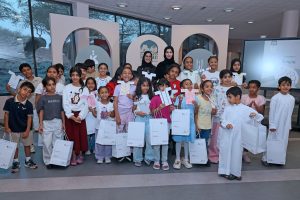
At the Heart of Sharjah, SPL presented a puppet theatre performance for children aged six to 13, organised in collaboration with Rubu’ Qarn for Theatre and Performing Arts. The performance took young audiences on a journey through the history of Sharjah Public Libraries, tracing their development from early printed books to today’s digital services.
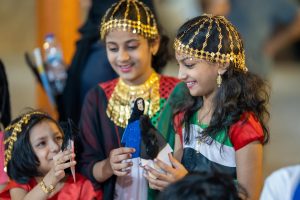
Through live dialogue and audience interaction, children were introduced to the importance of preserving cultural heritage and its role in strengthening identity and awareness of knowledge.
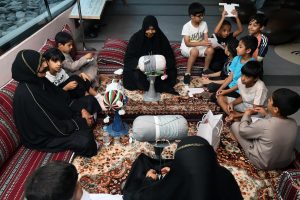
Alongside the performance, SPL ran a hands-on puppet-making workshop. Children learned the basics of puppet design and production, from sketching to movement, helping them develop creative skills while engaging with heritage through practical activities.
Visual approaches to literature
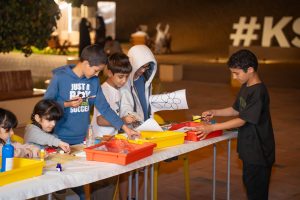
At Kshisha Park, SPL organised two workshops focused on interpreting literature through visual expression. The first, Fundamentals of Photography, delivered in collaboration with Shurooq, introduced children to creative photography and taught them how to draw visual ideas from written texts. Participants learned how to turn stories and poems into photographs that reflect their main themes.
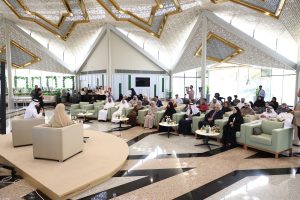
Children were given age-appropriate stories to read before creating photographic interpretations using professional cameras. The park’s natural surroundings provided varied settings for their work.
The second workshop, organised with FUNN, focused on transforming text into visual compositions. Children analysed key story elements and explored them using small, nature-inspired materials prepared by Kshisha Parks, such as stones and miniature objects. They then assembled these materials into artworks that visually represented the stories they had read, strengthening comprehension, imagination, and creative thinking.
A year-long centennial programme
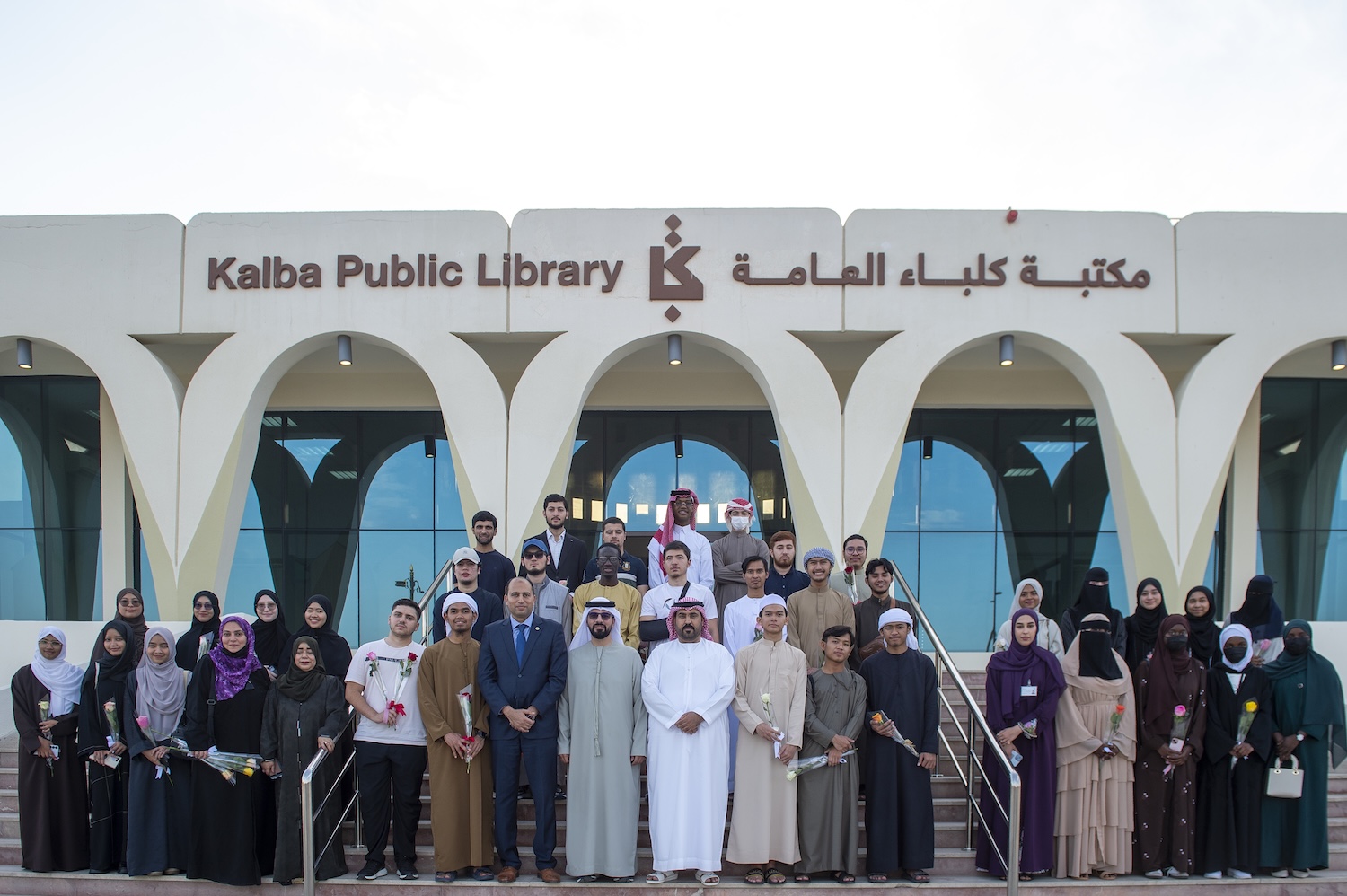
SPL’s centennial celebrations were delivered through a year-long programme built around four main themes. The first, “Literary Beginnings”, included the “Literary Roots” initiative, featuring a panel discussion, a reading advocacy campaign, and a creative writing workshop, alongside the “Cultural Renaissance” event, which offered cultural tours of libraries in the Eastern Region, poetry readings, literary presentations, and discussion sessions.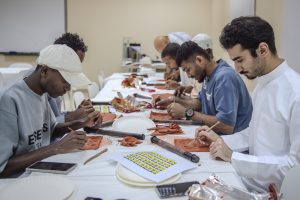
The second theme, “Cultural Civilisation,” focused on “Stories from Heritage,” with discussion sessions, workshops on traditional attire, and children’s competitions. It also included “Reviving Forgotten Pages,” featuring a lecture on home libraries, book restoration workshops, and hands-on experiences exploring the history of early writing through museum visits.
The “Horizons of Writers and Poets” theme highlighted the “Cultural Message” event, featuring an intellectual lecture alongside an art workshop on Arabic calligraphy and Islamic ornamentation. It was complemented by literary and poetry events, such as “Songs of the Sea” and “From Ink to Poetry,” which featured discussions, poetry recitals, and calligraphy workshops.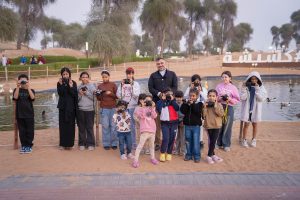
SPL concluded its centennial celebrations with the fourth theme, “Cultural Sustainability,” through the “Between Story and Craft” event. It highlighted the cultural importance of palm trees in Emirati heritage and offered hands-on experiences in papermaking and the creation of literary and artistic products. Together with the theatrical performance and Kshisha Park activities, the programme reflected the breadth of SPL’s centennial initiatives and reinforced reading as a shared community practice connected to heritage, arts, and creativity.